
Dr. Daniel Amen, a world-renowned psychiatrist and brain imaging specialist, has spent decades helping people understand something very simple, but often overlooked:
Most people are far more concerned about their “boobs, butts, and bellies” than their brains.
While that statement may sound blunt, his message is an important one.
Your brain is involved in everything you do, how you think, feel, move, respond to stress, connect with others, and show up in your daily life.
When your brain functions well, life tends to function well.
When it doesn’t, everything becomes harder.
And yet, most people rarely stop to ask:
How healthy is my brain, really?
What am I doing daily to protect it?
Am I supporting it, or unintentionally stressing it?
Let’s explore what brain respect actually looks like in everyday life.
Why Your Brain Deserves More Attention
Your brain is not separate from your health, it is your health control center.
It regulates:
Mood and emotional balance
Focus and attention
Sleep quality
Stress response
Energy levels
Memory and cognition
Even immune and hormonal function
Ignoring brain health is like ignoring the operating system of your entire body.
When the brain is dysregulated, symptoms can show up anywhere:
Anxiety
Brain fog
Fatigue
Irritability
Poor focus
Sleep disturbances
Low motivation
That’s why brain health is not optional, it’s foundational.
A Simple Brain Health Self-Check
Below are simple questions designed to help you reflect on how well you are supporting your brain on a daily basis.
These are inspired by common brain health assessment principles used in clinical and educational settings.
1. Brain Protection
Do you ever engage in activities where your brain is unprotected?
Cycling without a helmet
Contact sports without protection
High-risk activities without safety measures
2. Hydration
Do you drink enough water daily to properly support brain function?
At least 6–8 cups of water per day
Hydration is essential for neurotransmitter balance and cognitive clarity
3. Alcohol Balance
Is your alcohol intake moderate and consistent with brain health?
Ideally limited to occasional use
Not used as a primary coping tool for stress
4. Movement & Exercise
Does your weekly routine include:
At least 20–30 minutes of aerobic movement
Ideally 2–4 times per week
Exercise increases blood flow, oxygenation, and supports neuroplasticity – new BRAIN cells!
5. Learning Something New
Are you regularly challenging your brain with novelty?
Learning a new skill
Taking up a hobby
Studying a new topic
Engaging in mentally stimulating activities
The brain thrives on novelty and challenge.
Expanding Your Brain Health Awareness
Beyond the basics, brain health assessment frameworks often explore additional areas that are strongly connected to neurological function.
Take a moment to reflect on these:
Sleep Quality
Do you:
Fall asleep easily
Stay asleep through the night
Wake feeling rested
Poor sleep is one of the fastest ways to disrupt brain function.
Stress Regulation
How well do you handle daily stress?
Do you recover quickly after stress?
Or do you feel “stuck” in tension or overwhelm?
Chronic stress directly affects brainwave balance and nervous system regulation.
Focus & Attention
Do you often experience:
Brain fog
Distractibility
Difficulty completing tasks
Racing thoughts or mental fatigue
These can be signs of inefficient brain network communication.
Mood Stability
Do your emotions feel:
Balanced and predictable
Or reactive and unpredictable?
Mood regulation is a direct reflection of brain network stability.
Social Connection
Are you regularly engaging in meaningful connection with others?
Social interaction is a powerful regulator of brain health and emotional resilience.
Nutrition Support
Are you fueling your brain with:
Whole foods
Adequate protein and healthy fats
Minimal ultra-processed foods
The brain is highly sensitive to nutritional input.
Cognitive Engagement
Do you regularly challenge your brain through:
Problem-solving
Reading
Creativity
Strategic thinking
A “used” brain stays more adaptable over time.
What Your Answers Actually Mean
If you answered “yes” to most of these questions, you are actively supporting your brain health and that matters more than most people realize.
If you noticed gaps, that’s also completely normal.
The goal is not perfection, it’s awareness.
Because awareness is the first step toward change.
Why This Matters for Brain Function
Your brain is constantly adapting based on how you live.
Every habit you have either:
Supports clarity, balance, and regulation
orContributes to stress, overload, and dysregulation
Over time, these patterns shape:
How you think
How you feel
How you perform
How you respond to life
This is why brain health is not just about avoiding disease; it’s about optimizing function.
Respect Your Brain, Improve Your Life
When your brain works well:
You think clearly
You regulate emotions better
You handle stress more effectively
You sleep more deeply
You perform better at home and at work
When it doesn’t, everything feels harder than it should.
So the real question becomes:
Are you actively respecting and supporting your brain—or simply expecting it to keep up?
Final Thoughts
Your brain is the most powerful organ in your body.
It shapes your reality more than anything else. And yet, it is often the least intentionally cared for.
You don’t need drastic changes to improve brain health, you need awareness, consistency, and small daily choices that support how your brain functions.
Because when you respect your brain, your brain supports you back.
Interested in Going Deeper?
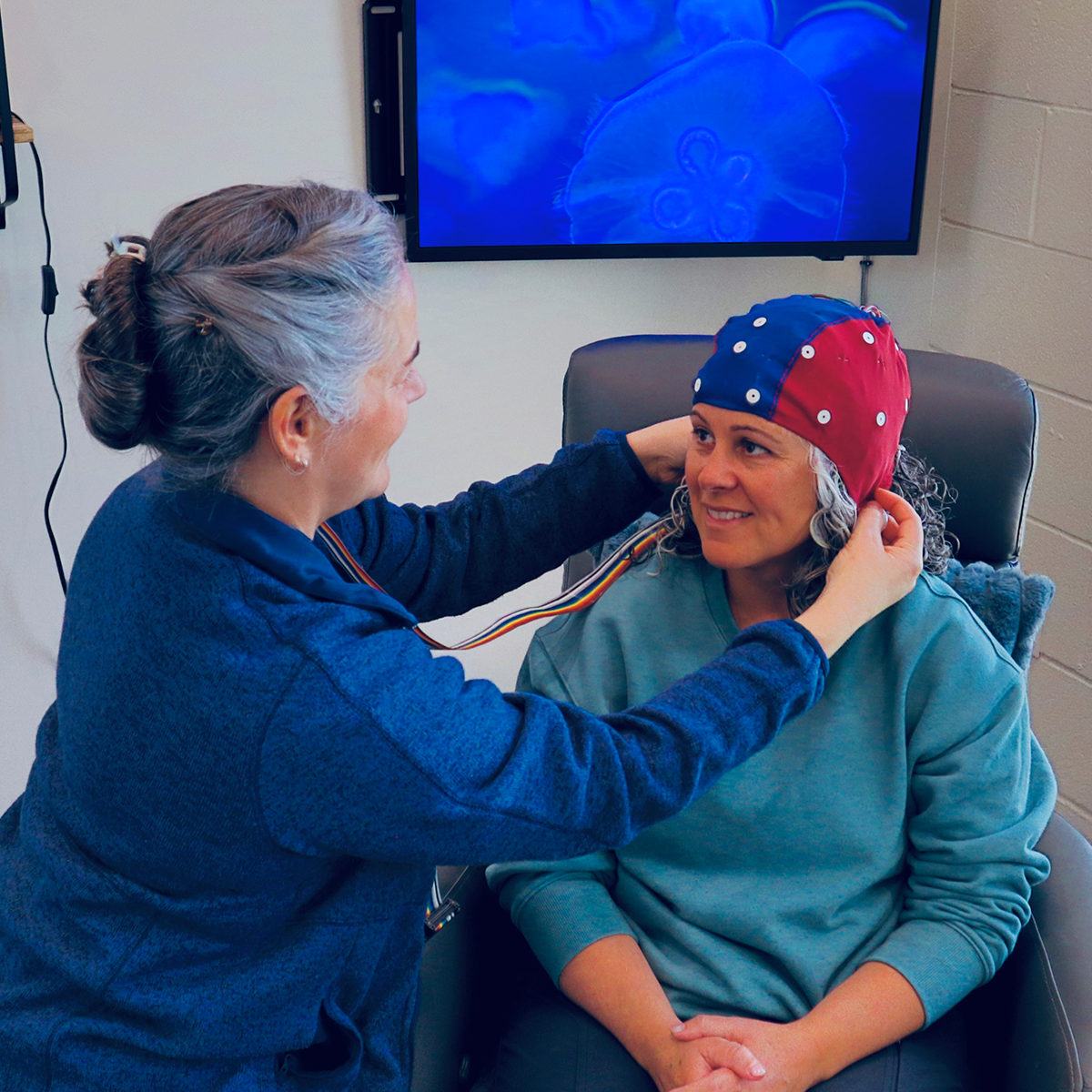
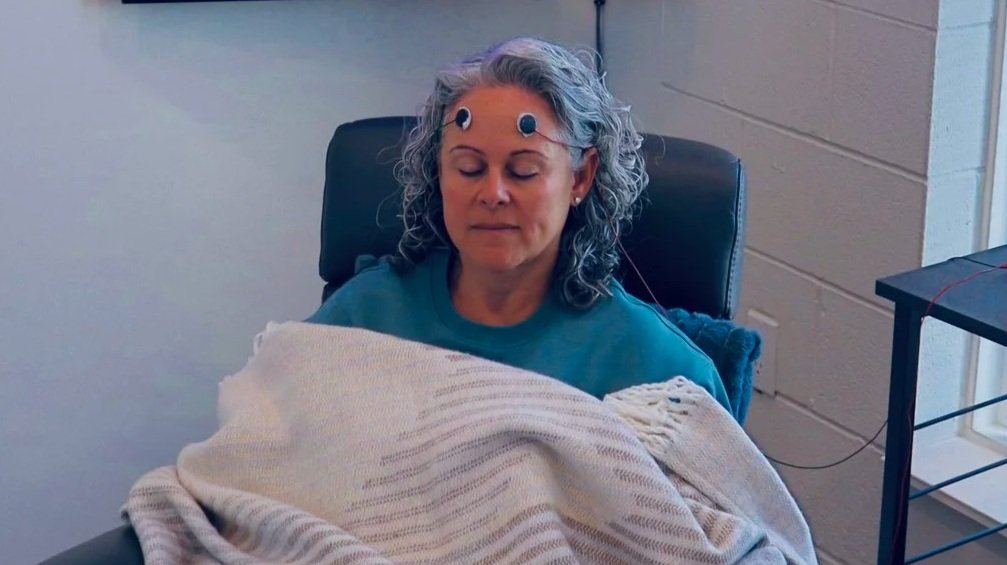
At Brain + Body Reset, we focus on understanding how your brain is functioning using tools like:
QEEG brain mapping
ERP testing
Neurotherapy and brain training
Neuromodulation techniques
The goal is simple:
To help your brain function more efficiently so you can feel more balanced, focused, and in control of your life.